

MN SCI Humanitarian Impact
Pay it Forward!
SCIF Bell Family Blue Bag Program
When going out on an epic adventure in life the best thing that you can do to make your adventure fulfilling is to pay it forward and generate significant humanitarian impact. Not only is this a fulfilling thing to do, but by doing so it will change the lives of the people that you are giving back to and will change yours as well. One of the ways that MN SCI is generating humanitarian impact is by helping sponsor members to take part in Safari Club International Foundation’s (SCIF) Bell Family Blue Bag program. For more information about the history of how the Bell Family Blue Bag Program was started, to hear inspirational stories, and to find out how you can get involved you can click on the following link:
MN SCI Featured Story
Goulet Care’s Project: Reaching out and Giving Back to Môrester Child and Youth Center in South Africa
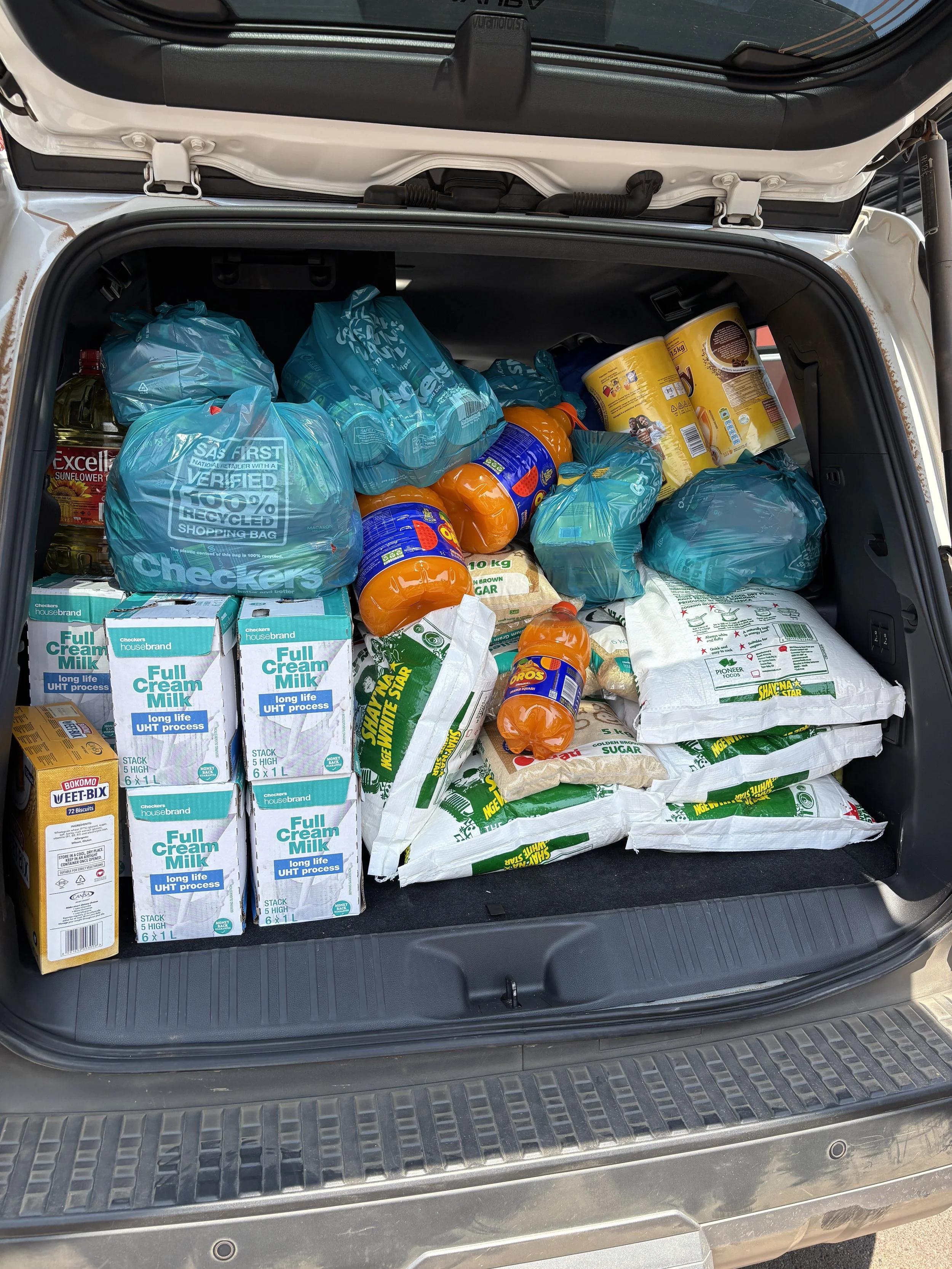
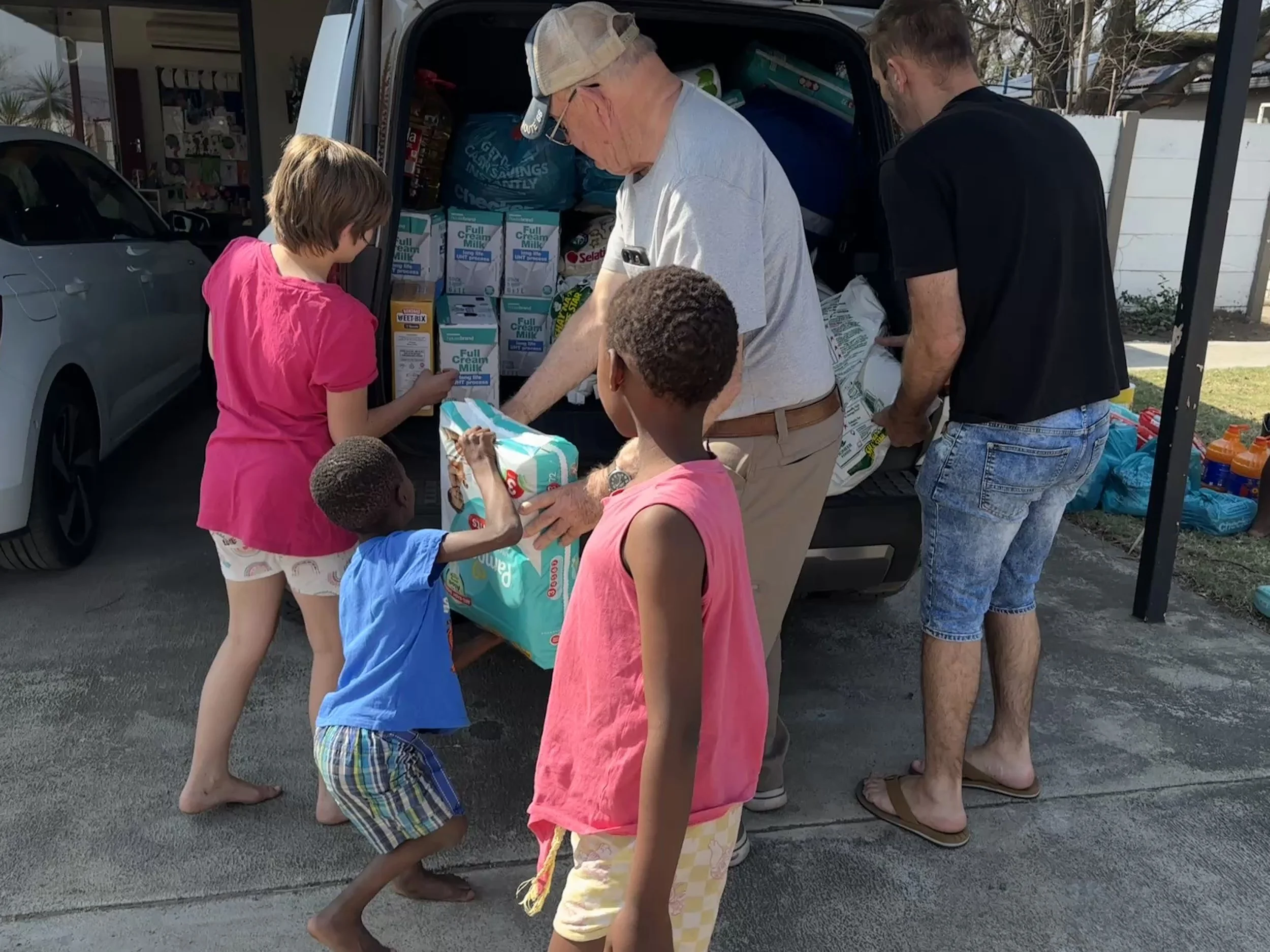
Delivering Blue Bags to Môrester
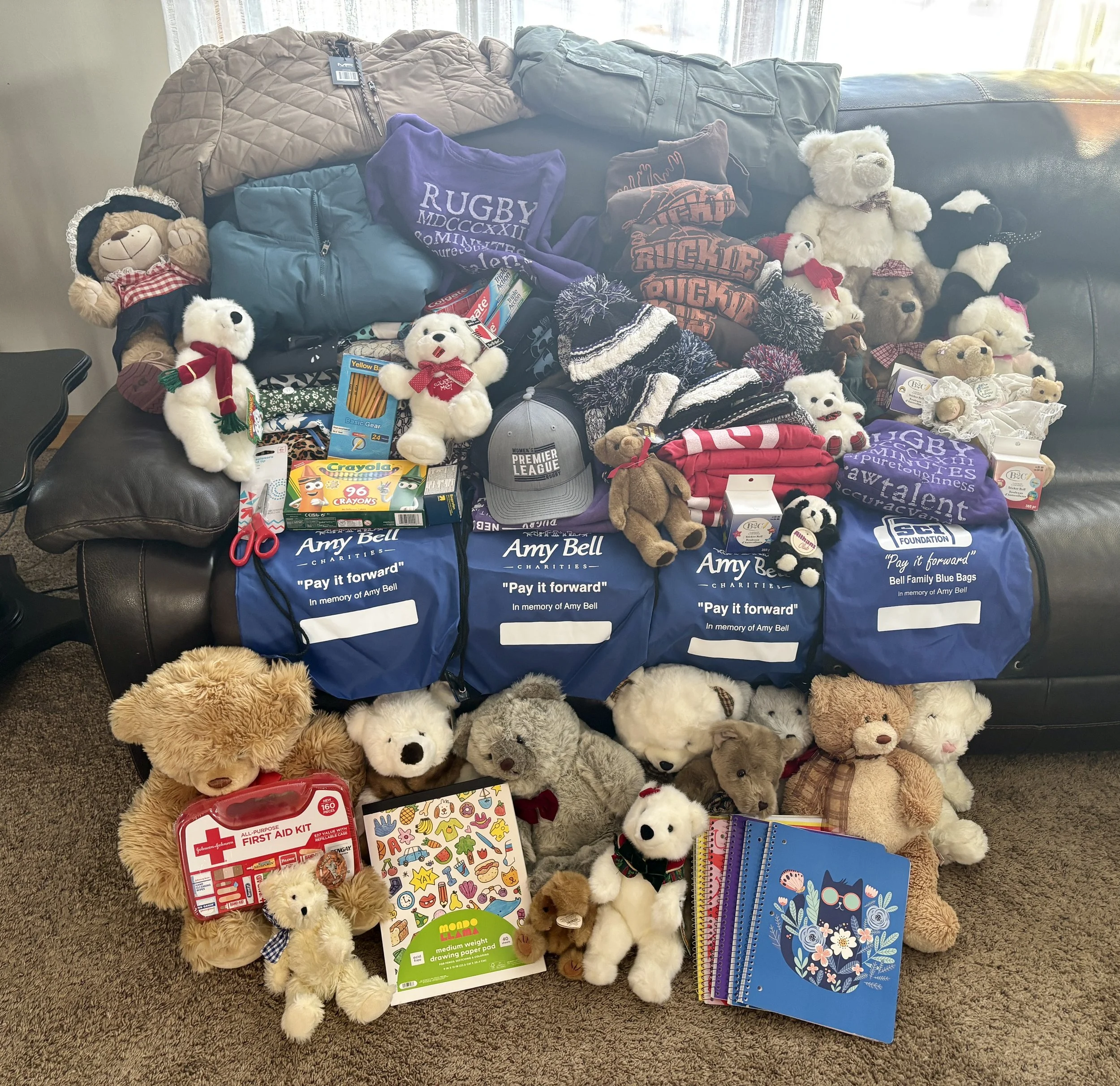
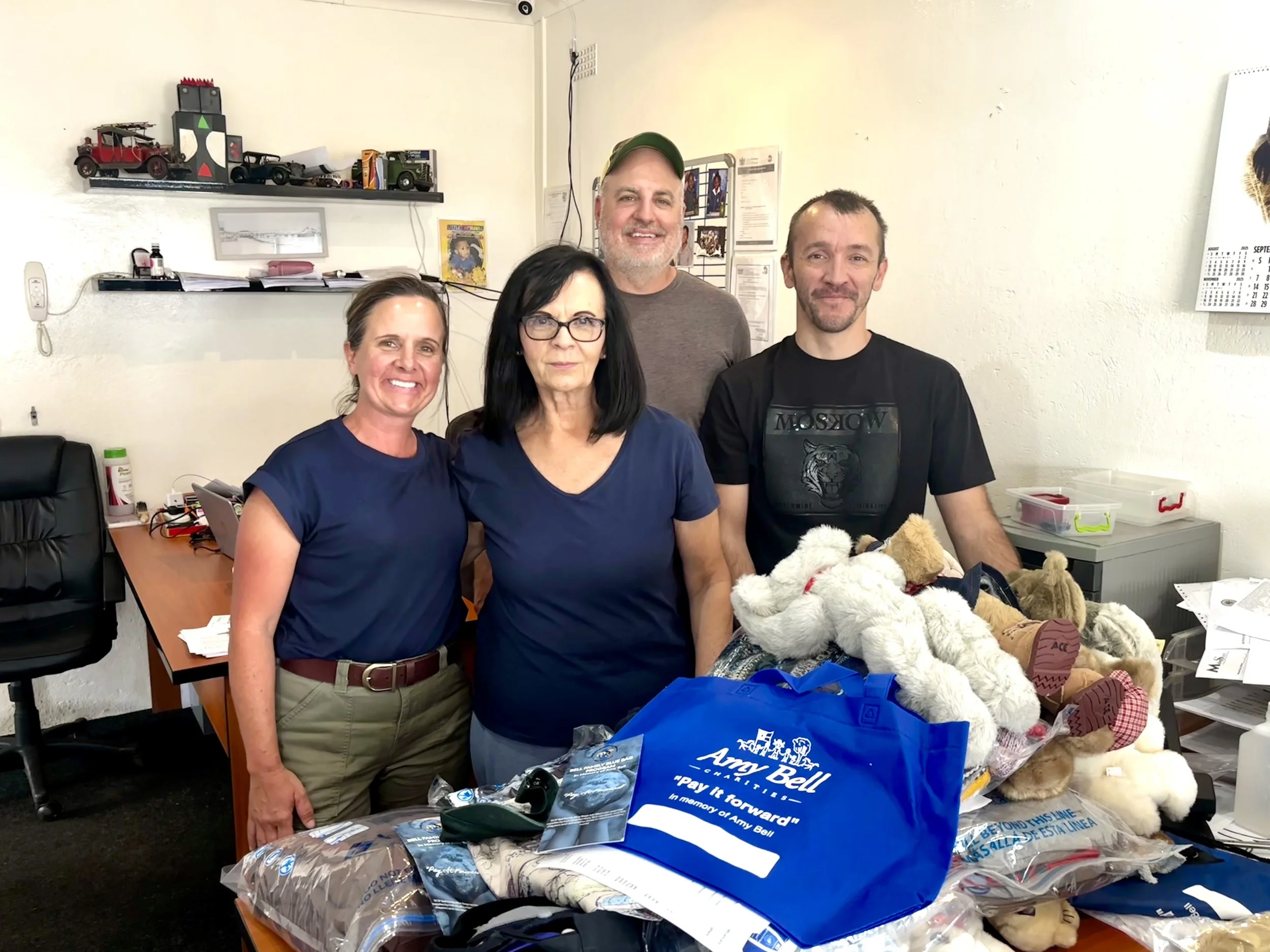
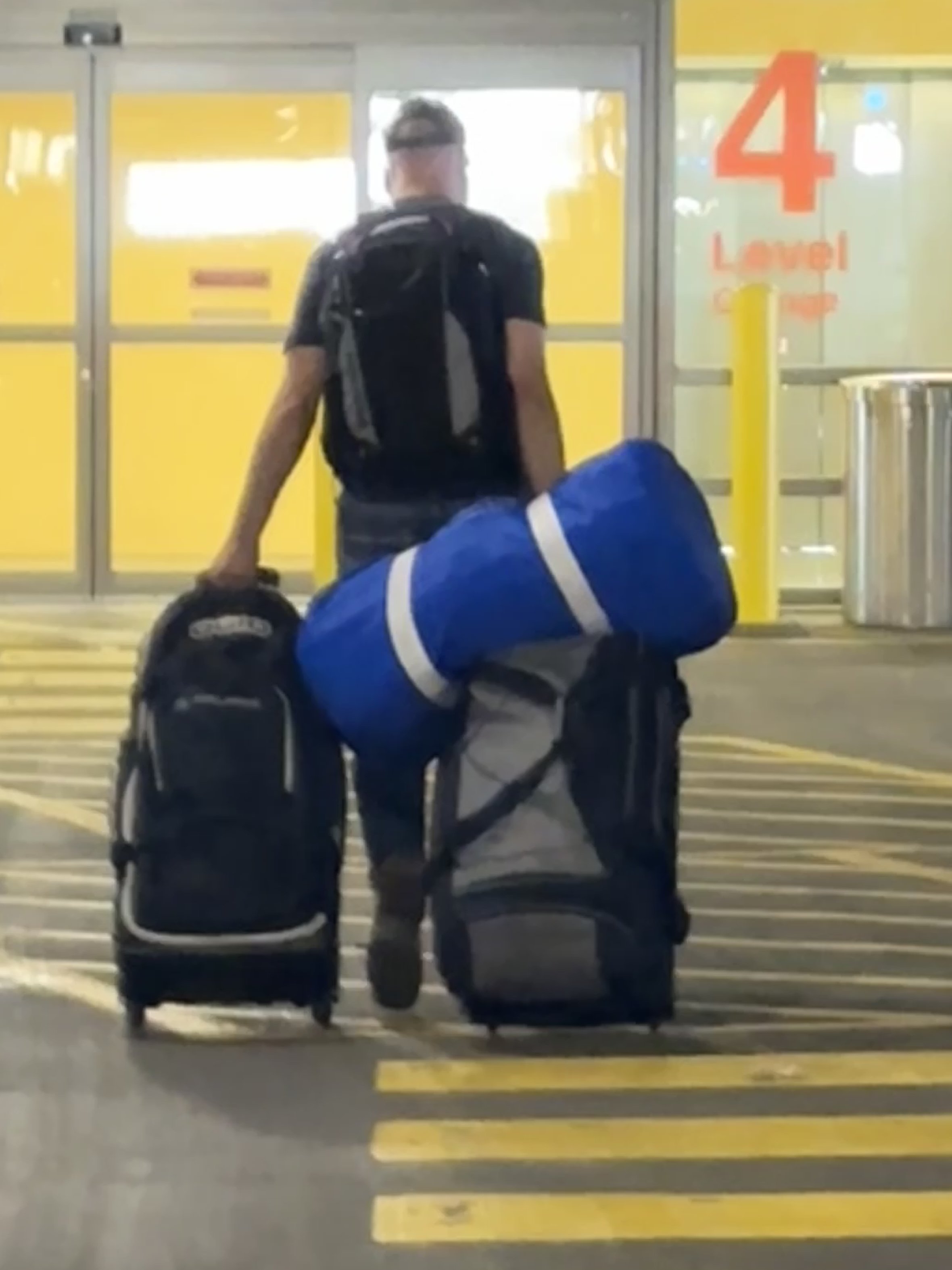
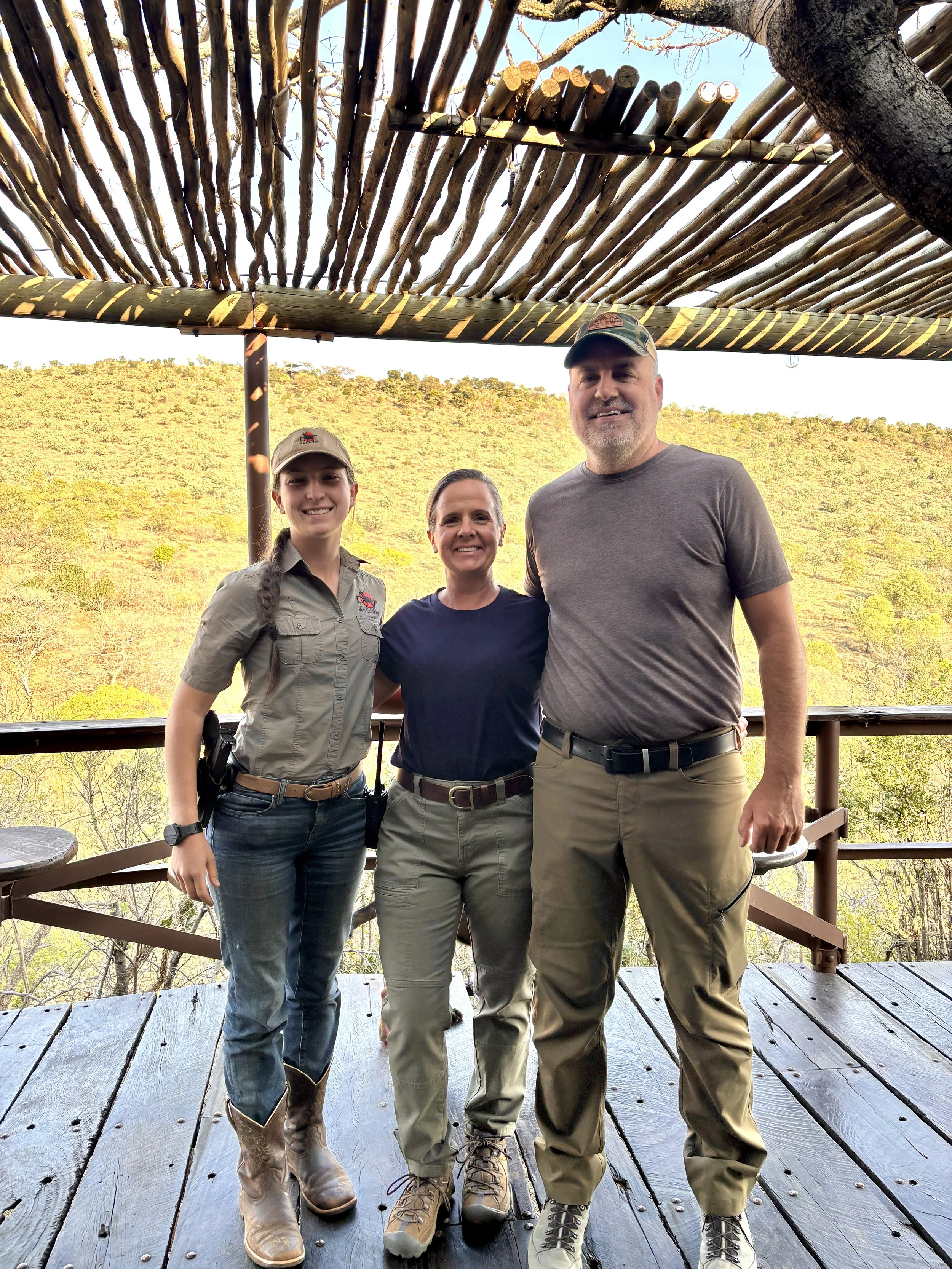
This past year has been filled with moments that reminded us of the power of generosity when people come together with a shared purpose. The journey began with an unexpected and meaningful surprise from the Minnesota SCI Chapter President, Anthony Roettger, who delivered a blue bag filled with donations from local chapter members. That single bag sparked something bigger. By the time the Minnesota SCI Show wrapped up in February 2025 in Brooklyn Park, Minnesota, two very full blue bags were ready to be sent to South Africa. As the months passed, Jeff and I prepared to deliver the donations ourselves. We were especially grateful to bring along Jeff’s father, Dennis Goulet, who, at 81, was visiting South Africa for the very first time. He was immediately captivated by the country’s sweeping landscapes and deeply touched by the warmth and hospitality of Dream Team Safaris, which thoughtfully adapted every aspect of the hunt to accommodate his age and mobility. With donations continuing to arrive right up until our departure, we were able to shop locally and fill four additional shopping carts with supplies for the orphanage, nearly completing their entire wish list. One moment will stay with us forever: watching Dennis unload the packed vehicle and hand out gifts to children whose arms stretched eagerly forward. With a proud smile, he declared, “I’m strong, I’ll take more!” The children and staff were filled with joy and gratitude. While the clothing and supplies met urgent needs, the teddy bears brought pure delight. Helen, the orphanage director, smiled and said, “They are beautiful, and the children will love all the gifts.” It was a powerful reminder of how far this effort had come and how much it mattered. Later, we sat down with Helen and Eddie, the finance director, to better understand the challenges facing the orphanage. When South African government funding was discontinued, more than 150 orphanages were forced to close, leaving countless children displaced. Helen made a promise that no child in her care would ever be sent back to the streets, a vow she continues to honor as the children grow older and age through the system.
Continued Progress & Growing Support
Following our September visit, we have been working directly with Dream Team and Helen to further identify priorities and develop a clear plan for both immediate and long-term needs. Since our visit, we have been able to prioritize the orphanage's needs beyond transportation to get the children to school and one child waiting for a much-needed surgery, to social workers and mentors to help guide the children as they age out of the system.
Identified Priority Needs at Môrester
Funds raised will support the following priorities: Through the Goulet Cares Project Foundation
Kitchen Facilities: Infrastructure upgrades, improved layout, essential equipment (six-plate stove, microwaves, larger sink, storage, pots & pans), and pantry restocking
Bedding & Linen: Beds, mattresses, spare bedding, and linens
Infrastructure Improvements: Bathroom upgrades, plumbing, ceiling boards, and paint
Office & Administrative Support: Filing cabinets and basic office furniture
Back-to-School Needs: Backpacks, lunch boxes, bookcases, and school supplies
Ongoing Needs: Food, clothing, gardening equipment, cold-room storage, regular visits, and social-worker support
Education and Reachout Continues
Our education outreach continues with the shows we attend and the invites we receive to share our story and the stories of others. Currently, we share our stories at the following shows: MN SCI (Brooklyn Park), Lake Superior SCI (Hinckley), Great Dacotah SCI (Rapid City), MN SCI Christmas Dinner, Teddy Roosevelt SCI (Bismarck), and the SCI Show in Tennessee.
At the shows, we continue to educate hunters about the Amy Bell Blue Bag Program. We are also currently collecting reflective safety items that will help children remain visible while walking in low-light conditions. These items will be delivered to our outfitter partner, Marupa Safaris, in March. Additionally, we’ve been asked to assist another hunter who is eager to collect and deliver material donations during his upcoming hunt.
Suggestive reflective items for donations: Donations can be dropped off at any of the shows we are attending.
Reflective Backpacks
Reflective shoelaces
Reflective hats
Reflective key chains
Reflective stickers
Other Reflective wearable gear
Looking Ahead
As we move forward, we remain committed to standing alongside Helen, Dream Team Safaris, Marupa Safaris, SCI, and the Amy Bell Blue Bag Project—supporting a shared vision that values education, ethical hunting, and the importance of paying it forward.
Môrester’s mission is clear: to serve children and youth so they can grow into well-adjusted, joyful members of their community. With Helen’s unwavering commitment and the support of compassionate people around the world, no child is left without love or a safe place to call home.
From the bottom of our hearts, thank you to everyone who has contributed, encouraged, and believed in this mission. If you would like to join us in meeting Môrester’s most pressing needs, we invite you to support the Goulet Cares Project, along with donations for the Amy Bell Blue Bag Project taken at the shows, so hunters can continue the efforts of paying it forward on their hunts.
“It is amazing when you give a child love. Their arms open wide to receive it.” Helen Lotz
Haylee Goulet
Goulet Cares Project Foundation
President
How You Can Continue to Make a Difference
Making a positive impact doesn't always require large sums of money. There are various ways you can contribute to the well-being of children in South Africa, whether it's through financial donations, volunteering your time, or even sharing knowledge and skills.
Direct Donations: Monetary contributions
In-Kind Donations: Donating items like books, clothes, or school supplies can make an immediate difference for children in need.
Volunteer: If you're able to, donate your time and skills this can be just as valuable as giving money.
Raise Awareness: Sometimes, the most powerful gift you can give is the gift of awareness. By raising awareness of the challenges children face in South Africa, you can inspire others to join the cause and contribute in their own way. Help us raise awareness with the Amy Bell Blue Bag project.
The children of South Africa, like children everywhere, are the future of their country. By paying it forward—whether through donations, volunteer work, or advocacy—we can help provide them with the tools, resources, and support they need to thrive. In doing so, we not only transform the lives of these children but also contribute to the broader vision of a more just, equitable, and prosperous society. As the ripple effect of kindness spreads, we may find that the future of South Africa becomes brighter, one child at a time.
SAFARICARE
BELL FAMILY BLUE BAGS – Pay It Forward
Helpful Tips and Suggested Lists
The following tips and lists have been developed to help SCI members get started with the delivery of healthcare and other humanitarian supplies when on safari in remote areas of the world. Sources for this information include: first-hand reports from SCI members who have already delivered humanitarian aid to people in remote regions of the world, staff and committee interviews with a pharmacist from Africa, Professional Hunters (PH’s) from Africa and South America (at the annual SCI convention) and medical professionals (SCI members) on safari who have observed the lack of healthcare goods and services in remote areas.
Helpful Tips:
Discussions with your PH will alert you as to what items are “most appropriate” for the people in the area you will be visiting, supplies available for purchase “in country” and supplies you may have to bring, and update you on any current customs issues. Most PH’s will also be aware of and able to direct you to needy schools, clinics, villages or orphanages in their area.
Chapter and individual SCI members travel to common places for safaris. Members often communicate experiences and pass along the information to the next chapter member(s) taking a SafariCare bag. Supplies can be stockpiled or located for future trips. Chapter systems tend to be creative, unique, and effective.
Although members have constantly and creatively condensed gear or packed blue bags within the allowable luggage guidelines, however, many members take empty blue bags. These bags are then filled in the destination country. Simple take the empty blue bag in your luggage and purchase supplies upon arrival. Taking an empty blue bag and filling it has numerous advantages:
Goods in the destination country are usually reasonably-priced.
Money spent in the destination country helps contribute to the local economy.
Items purchased locally are familiar to and routinely utilized by residents.
No tariffs or customs inspections are required.
No additional airline fees are levied since the blue bag did not contain weighty goods.
Recognition: All SCI members are encouraged to take high-resolution photos and keep notes of their SafariCare – Bell Blue Bag experiences. Articles can then be developed for news stories in your local community and for publication in the quarterly Humanitarian Services newsletter, Safari Times, Safari magazine and for web posting. Hunters help save hunting when recognized for compassionate deeds - the present day application of our humanitarian heritage.
Please take care when transporting medical supplies on SafariCare missions. Most countries today require them to bear expiration dates no less than one year from date of entry, and many of the medications, ointments and various supplies sent are usually within six months of expiration. If medical supplies or any items with expiration dates must be carried, they should be segregated into one bag so that it may, in fact, be retained in customs and in some cases a duty on the items will be extorted from the hunter. This is a good reason why purchasing items such as medical supplies/ointments, etc., locally once you’re in country can be done safely and cost effectively, and you’ll be helping the local economy.
Remember that you are going to a place where there may or may not be trained medical people, and they may or may not be able to read or understand instruction labels. Some items (non-outdated medicinal supplies) should be dispensed under supervision through established clinics or trained medical people in the village. For example, toothpaste may appear to be candy to those that have never seen it, which could make a person ill from improper use. If misused, the medicines become dangerous. School supplies and other non-perishable items have no problem going through customs, whether they are in your personal bags, blue bags, duffle bags or boxes. They can be considered as gifts, personal items or humanitarian relief supplies. Educational, recreational and basic quality of life items are also welcomed and appreciated.
Please be sure to notify Humanitarian Services of any SafariCare, including any Bell Family Blue Bag mission you or your chapter undertake so that it can be counted in our annual records. It is also important to have an itemized list of every item in each blue bag.
Many different methods have worked to acquire and transport humanitarian supplies to those in need. Find what works best for you or your chapter and do it. The Bell Blue Bags are free upon request and can be used over and over again.
SafariCare Bags: Suggested Working Lists of Items
Clinically Supervised Items Non-Supervised Items
Ibuprofen Eyeglasses/Reading Glasses School Supplies
First Aid Kits/Creams Shoes/Socks/Sandals Maps/Atlases/Dictionaries
Fungus Infection Creams Hats/Caps Pens/Pencils/Paper
Eye/Ear Ointments/Cleansers Shirts/Jackets/T-Shirts Sports Equipment
Upset Stomach Medicines Toothbrushes/Floss Soccer Balls & Pumps/Needles
Diarrhea Medicines Trash Bags Mosquito Netting/Repellent
Vitamins Water Filters/Purification Straws Chalk/Small Chalkboards
Anti-itch Creams Needles and Thread Cloth/Fabric
Skin Rash Creams (cortisone) Rope/Twine/String Crayons/Colored Pencils/Markers
Water Purification Tablets Fish Hooks and Line Coloring/Activity Books
Burn Ointments Antibacterial Soaps Scissors/Rulers
Triple Antibiotic Ointments Adhesive Bandages/Gauze Pins: Straight/Safety
Dehydration (salt) Tablets Plastic Bottles/Bowls/Cups Toys/Stuffed Animals
Hydrogen peroxide*/Cotton Disinfectants Candy
Toothpaste Shampoo/Body Wash Bandanas
Educational Flash Cards Backpacks
(*should be packed in plastic bags and sealed, only considered if space and weight limitations in bagare not restrictive.)
Gathering items or seeking community involvement has become a rewarding chapter, individual, school or family function with both members and non-members rallying to test their networking talents and connections in the community. For example, church groups, boy and girl scouts, and other youth clubs have participated in assisting to fill these bags with aid. Some have made or acquired useful items like candles, homemade crafts, shoe laces, first aid kits, etc. Based upon the success of the initial deliveries, more members take more supplies to more places, helping more people.
When on safari in a remote area, you are the only ambassador representing the hunting community. You arrive to hunt native wildlife. The image you leave is dependent upon the impression you make while visiting. SafariCare, including the Bell Family Blue Bag – Pay it Forward is one way to leave a wonderful lasting impression. Travel safe and have a good experience. Remember, local people will remember your generosity.
PAST MN SCI STORIES
Paying It Forward: Transforming Lives of Kids in South Africa Through Donations

"Paying it forward" is a concept that revolves around doing good for others without expecting anything in return, with the belief that one good deed will inspire others to act similarly.In a world increasingly interconnected, acts of kindness can ripple far beyond borders. One of the most powerful ways to create lasting change is by directly empowering the next generation, especially in communities facing significant challenges. In South Africa, paying it forward through donations can be a lifeline for children in need. This is exactly what the MN SCI hunters did this past February. We gathered various donations that would be donated to a school in Plooysburg, South Africa. Through donations—whether financial, or in-kind, we were able to collect and deliver three luggage bags full of items to the kids, including some monetary donations. A huge thank you to all everyone that made this possible.
During a recent visit to a local school, I had the chance to witness firsthand how our priorities can sometimes become disconnected from what truly matters. The students at this school were in great spirits, despite having far fewer resources than what we might consider the bare minimum in the U.S. Their optimism and joy were humbling and made me realize just how materialistic and out of touch we can sometimes be in America.
This experience didn’t just affect me; it deeply touched my dad and brother as well. Both of them have a strong background in carpentry and mechanics, and they were eager to get involved in helping the school. We all felt inspired to find ways to lend our skills and resources to make a real difference. After spending some time walking around the school and assessing the needs, we started brainstorming ideas for a project that could have a lasting impact.
While we didn’t physically work on the school during our visit, we did take a close look at a few key areas that would benefit from some attention. Specifically, we focused on the school kitchen and bathrooms, as these were critical areas in need of improvement.
We were all inspired by the children’s resilience and the school staff’s dedication to their students, despite the challenges they face. It became clear that our skills and time could really make a difference in improving the daily lives of these kids and ensuring they have a better environment in which to learn and grow.
In the end, this experience was more than just a project—it was a reminder that sometimes, the most fulfilling work comes when we give back to the communities that need us most. The students and staff at this school showed us that happiness doesn’t come from what we have, but from what we give. And that lesson is one we won’t forget.
Thank you for your support as we move forward with this project. We’re looking forward to what we can achieve together.